Lavang (Clove) for Gums: Uses, Limits and Safe Use
30-Oct-2026Lavang, or clove, is one of the most familiar Indian remedies for the mouth. This guide explains how it is traditionally used, what its limits are and how to use it safely for gums and teeth.
Why clove?
Clove buds contain a compound called eugenol, which has a warming, numbing quality and a strong aroma. Clove has been used in Indian homes and in dentistry-related preparations for generations. For more on the spice itself, see our comprehensive guide to clove.
Common traditional uses
- Holding a whole clove near a sore tooth for temporary comfort.
- Chewing a clove after meals for a fresh mouth.
- Using clove in herbal tooth powders and toothpastes.
Limits you should know
- Clove may ease discomfort for a short time. It does not treat the cause of a toothache or gum problem.
- Undiluted clove oil can burn the gums and the lining of the mouth. Do not apply it directly.
- Clove is not advised for young children, and it should not be used in large amounts.
- If you are on blood-thinning medicine or are pregnant, ask a doctor before using clove in medicinal amounts.
Clove in Herbostra oral care
Lavanga (clove) is one of the listed ingredients in the Irimedadi Toothpaste Tablet and in the Irimedadi Overnight Oral Care Drops. The Irimedadi Toothpaste is based on Irimeda, Khadira and liquorice.
When to see a dentist
Book a dental visit if you have a toothache lasting more than a day or two, swelling, a bad taste or discharge, or gums that bleed regularly. Home remedies are for comfort and daily care, not diagnosis.
This guide is general information about traditional Ayurvedic practice and is not a substitute for advice from a doctor or dentist. Herbostra products are not intended to diagnose, treat, cure or prevent any disease. Speak to a qualified professional if you are pregnant, nursing, on medication or have a medical condition.
Products mentioned in this guide
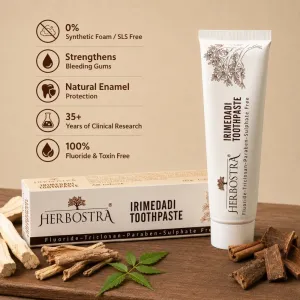
- Cleans teeth and gums as part of a daily brushing routine.
- Made with Irimeda, Khadira, liquorice and other traditional herbs.
- Helps remove plaque and keeps your mouth feeling fresh.
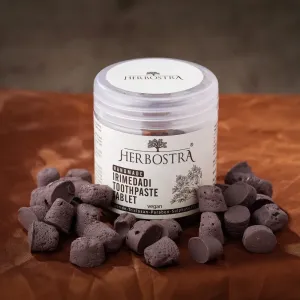
- Cleans teeth and gums as part of a daily brushing routine.
- One tablet per brushing, with no tube to squeeze or leak.
- Fluoride-free and triclosan-free, with no synthetic colours or flavours.
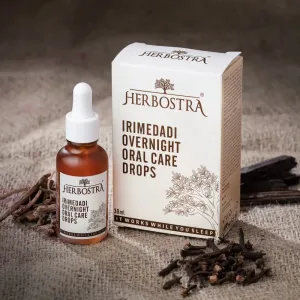
- Adds a simple Ayurvedic step to your bedtime oral care routine.
- Made with Irimeda extract, Lavanga (clove), Gairika, Agaru, Padmaka and Manjishtha.
- Leaves your mouth feeling fresh by morning.